Adventure Awaits: Master Basic Wilderness Survival & Hike with Confidence!
February 20, 2026
4,275 Reads
Knowing just a few basic survival tricks isn't some exclusive club for extreme adventurers or reality TV stars. Nope, it's for you – for anyone who loves soaking up nature, exploring new trails, or just enjoying a quiet afternoon in the woods. These aren't about conquering Everest; they're about giving you the confidence and peace of mind to truly enjoy your time outdoors, knowing you've got a few aces up your sleeve if things don't go exactly to plan. Think of it as your personal safety net, a little bit of know-how that empowers you to stay safe, stay calm, and keep that adventurous spirit alive, no matter what the wilderness throws your way. So, grab a cup of coffee (or your favorite trail mix!), and let's chat about how to turn those 'what ifs' into 'I've got this!'
Your Go-To Gear & The 'STOP' Method: Your Outdoor BFFs
Alright, let's get real. When you're heading out into nature, preparation isn't just a good idea; it's your absolute best friend. Seriously, it's like having a trusty sidekick that's always got your back. We're not talking about packing your entire house, but rather a few absolute essentials that can make a heck of a lot of difference if you find yourself in a sticky situation. And just as important as what you pack is knowing what to do if that unsettling feeling of being disoriented starts to creep in. That's where our simple mental trick, the S.T.O.P. method, comes into play. It's designed to keep you calm, collected, and thinking clearly when your brain might be screaming, 'Panic!'
The Essentials: Your Pack's Power Players
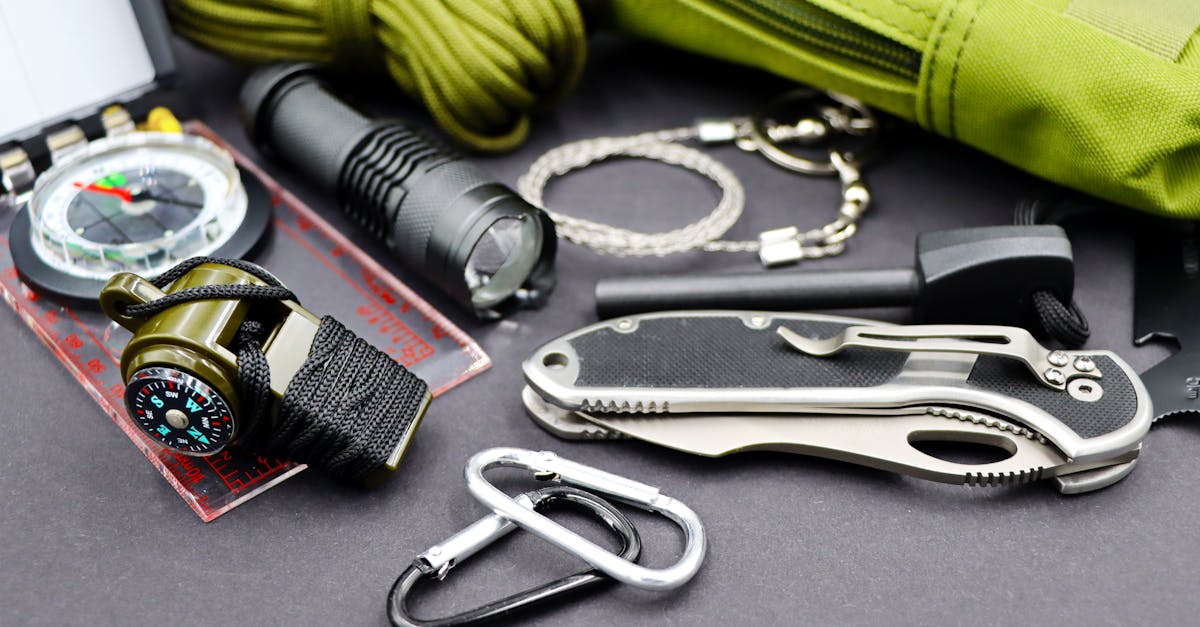
Before you even step foot on the trail, take a moment to think about what goes into your daypack. This isn't just about comfort; it's about safety. Here are a few non-negotiables I always recommend:
- Water & Purification: This one's a no-brainer, right? Dehydration can sneak up on you faster than you think. Always pack more water than you think you'll need – at least 2 liters for a day hike, adjusting for temperature and intensity. Consider a water filter or purification tablets as a backup; having a way to make water safe is crucial.
- Small First-Aid Kit: You don't need to be a wilderness medic, but a basic kit with band-aids, antiseptic wipes, pain relievers, gauze, and any personal medications is a must. Blisters, scrapes, and minor cuts are common, and treating them quickly prevents bigger problems. Don't forget things like moleskin for those pesky hot spots on your feet!
- Whistle: This tiny, inexpensive item is a powerhouse! It takes far less energy to blow a whistle than to shout, and the sound carries much further. Three short blasts is the universal signal for distress. It's simple, effective, and can literally be a lifesaver.
- Navigation Tools (and knowing how to use them!): While your phone's GPS is great, batteries die. Always carry a physical map of the area and a compass. Even better? Know how to use them before you head out. Take a local class or watch some online tutorials. It's a skill that truly empowers you.
- Extra Layers & Rain Gear: Weather can change on a dime, especially in the mountains. A lightweight rain jacket and an extra fleece or long-sleeved shirt can prevent hypothermia, even on a seemingly warm day.
- Headlamp or Flashlight: Even if you plan to be back before dark, delays happen. A light source is essential for navigating in low light or signaling.
- Snacks: High-energy snacks like nuts, dried fruit, or energy bars can keep your energy up and your spirits high.
- Fire Starter: Waterproof matches, a lighter, or a ferro rod can be invaluable for warmth, cooking, and signaling.
The S.T.O.P. Method: Your Mental Compass
Okay, so you've got your gear. Now, what happens if you're walking along, admiring a particularly beautiful tree, and suddenly realize... you have no idea where you are? This is where the S.T.O.P. method kicks in. It's a simple acronym, but it's incredibly powerful for preventing panic and helping you think clearly.
- S - Stop: The absolute first thing you need to do is stop moving. Seriously, just freeze. Your natural instinct might be to keep walking or rush around. Don't. Moving aimlessly will only get you more lost, waste precious energy, and increase your chances of injury. Take a deep breath. A few deep breaths, actually. Give your brain a chance to catch up and calm down.
- T - Think: Once you've stopped, engage your brain. What happened? When did you last know where you were? Did you make any turns? What landmarks did you pass? Try to recall details. Think about your immediate surroundings. What time is it? How much daylight do you have left? What's the weather doing? This isn't about panicking; it's about gathering information.
- O - Observe: Now, look around you. Really look. What do you see? Are there any trails, even faint ones? Any signs of human activity? What's the terrain like? Are there any natural features that stand out? Look for water sources. Listen for sounds – traffic, distant voices, running water. Pay attention to the direction of the sun. This observation phase is crucial for understanding your immediate environment.
- P - Plan: Based on everything you've stopped, thought about, and observed, it's time to make a plan. This might be to stay put and wait for rescue, especially if you've told someone your itinerary. Or it might be to try and retrace your steps carefully if you're confident you can. Perhaps it's to find a safe, sheltered spot to spend the night. Whatever your plan, make it a deliberate one. Don't just wander. Stick to your plan for a while, and if it's not working, go back to S.T.O.P. and re-evaluate.
Mastering S.T.O.P. isn't about being fearless; it's about having a framework to manage fear and make smart decisions when it matters most. It's a skill that builds confidence, and honestly, it's a pretty cool trick to have up your sleeve!
Finding Water & Making Yourself Seen (or Heard!): Your Lifelines
Okay, so you're prepared, and you know how to keep your cool if you get turned around. Awesome! Now, let's talk about two of the most critical needs in any unexpected outdoor situation: staying hydrated and making sure people know where you are. These are your lifelines, and knowing how to tackle them can make all the difference in the world.
The Quest for Water: Hydration is Key
You can go a surprisingly long time without food, but water? That's a different story. Dehydration can quickly lead to fatigue, confusion, and poor decision-making – exactly what you don't want when you're trying to get back on track. So, finding and purifying water becomes a top priority.
- Where to Look: Streams, rivers, and lakes are obvious places. Even small trickles or puddles can be sources. Look for low-lying areas, valleys, and the bottoms of ravines, as water naturally flows downhill. In the morning, dew can collect on leaves and grass – you can use a cloth to soak it up and wring it into a container. If it rains, collect water in tarps, large leaves, or any containers you have.
- Making it Safe: Purification is Non-Negotiable!
- Boiling: This is the gold standard. Bring water to a rolling boil for at least one minute (three minutes at higher altitudes) to kill most bacteria, viruses, and parasites. If you have a metal container, great! If not, you can improvise with a heat-resistant bag or by heating rocks and dropping them into a non-flammable container of water.
- Filtering: A portable water filter (like a Sawyer Mini or Lifestraw) is an amazing piece of gear to carry. They remove bacteria and protozoa, making water safe to drink. Just remember they don't typically remove viruses, so boiling is still superior if possible.
- Chemical Purification: Water purification tablets (iodine or chlorine dioxide) are lightweight and effective against most pathogens. Always follow the instructions carefully for dosage and wait times.
Remember, never drink untreated water unless it's an absolute, life-threatening emergency and you have no other options. The risks of waterborne illnesses are just too high.
Making Yourself Seen (or Heard!): The Call for Help
Once you've got your water situation under control, your next big mission is to make sure someone knows you're out there. Rescue teams are incredibly skilled, but they can't find you if they don't know where to look or can't spot you.
- The Power of Three: This is a universal distress signal. Whether it's three short blasts of your whistle, three flashes of a light, three fires in a triangle, or three piles of rocks, repeating anything in threes signals 'I need help!'
- Your Whistle (Again!): Seriously, this little guy is a superstar. Blow three short, sharp blasts, pause, and repeat. It's loud, distinctive, and carries far.
- Signal Mirror: If you have one (and they're super lightweight and effective!), use it to flash sunlight towards aircraft or distant searchers. Practice using it beforehand to aim the beam accurately. Even a shiny piece of aluminum foil or a CD can work in a pinch.
- Bright Clothing: This is why many outdoor enthusiasts wear bright colors. If you're lost, your bright jacket or backpack can make you stand out against the natural greens and browns of the wilderness. If you have a bright tarp or emergency blanket, spread it out in an open area.
- Fire & Smoke Signals: A signal fire is incredibly effective, especially at night. Build a fire in an open area, and if you see or hear a potential rescuer, add green leaves or damp material to create thick, white smoke during the day. Three smoke columns are another universal signal.
- Ground-to-Air Signals: If you're in an open area, you can create large letters on the ground using rocks, logs, or contrasting vegetation. Common signals include 'V' for 'Require Assistance' and 'X' for 'Medical Assistance Needed.' Make them as large as possible so they're visible from the air.
The key here is persistence and visibility. Don't give up. Keep signaling, keep making noise, and keep yourself as visible as possible. Every little bit helps searchers pinpoint your location.
Ready for Your Next Adventure!
So, there you have it! We've covered quite a bit today, haven't we? From packing your essential gear and mastering the calm-inducing S.T.O.P. method to finding safe drinking water and making sure you can signal for help, these basic wilderness survival tips aren't just theoretical knowledge. They're practical, empowering skills that can make a huge, huge difference if an unexpected situation arises when you're out enjoying nature.
Remember, the goal isn't to become Bear Grylls overnight, but to simply feel more confident and prepared. A little bit of preparation, a dash of common sense, and knowing these fundamental steps can truly transform your outdoor experience from potentially nerve-wracking to wonderfully reassuring. So, why not start small? Pack that whistle, review your first-aid kit, and maybe even practice using your compass in your local park. The more familiar you become with these basics in a safe environment, the more naturally they'll come to you if you ever really need them. You've got this! Go out there, explore, and enjoy every single moment of your next adventure on the trails, knowing you're ready for whatever comes your way!